An exchange is not a bookmaker with a lobby and a queue — it is a marketplace where people trade against each other. That single design choice is why the entry barrier on a Betfair betting exchange feels almost inverted compared with the old high-street model: there is no house setting the price, no intimidating opening deposit ritual, and no requirement to understand every market before you place a small first order. You open one account, watch real prices move, and learn betting mechanics at whatever pace you choose.
This long-form guide is written for the person who has heard the words "back" and "lay" and quietly hoped nobody would ask them to explain. We walk through how the marketplace actually functions, which beginner mistakes cost the most, and how to set a first-week routine that keeps risk tiny while your understanding grows.
Why the Betfair Betting Exchange Lowered the Barrier to Entry
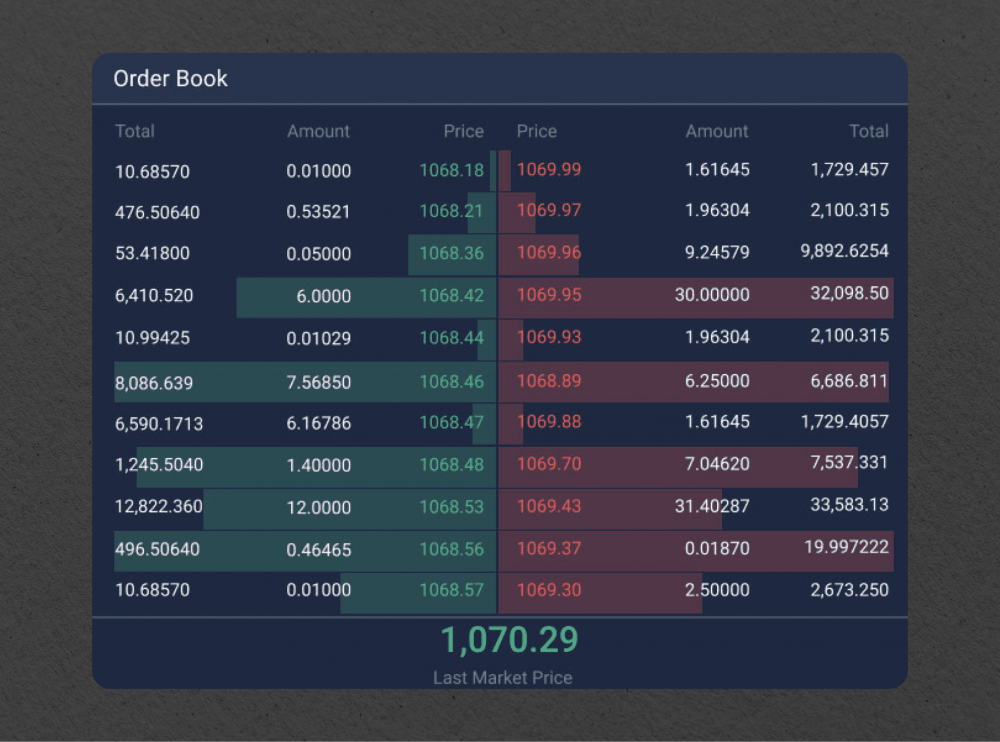
The traditional sportsbook model asks you to accept a price somebody else decided. The exchange model hands you the order book. Instead of one offer per outcome, you see dozens of buyers and sellers stacked by price, the same way a currency desk displays bids and asks. The practical effect for a newcomer is that you can act as the buyer or the seller of the same outcome, which is the idea behind back and lay. This is the defining feature of Betfair betting exchange trading, and it is also the reason the platform can welcome anyone with a small bankroll.
Three structural traits keep the starting line low. First, commission applies to net winnings on a market rather than to every stake you place, so a losing market costs you nothing beyond the stake itself. Second, you can match someone else's existing price instantly instead of waiting for a bookmaker to approve your bet. Third, there are hundreds of markets running simultaneously — football, tennis, racing, cricket, politics — so you can practise on thin, quiet markets before moving anywhere near a major event.
What a first-time exchange user actually sees
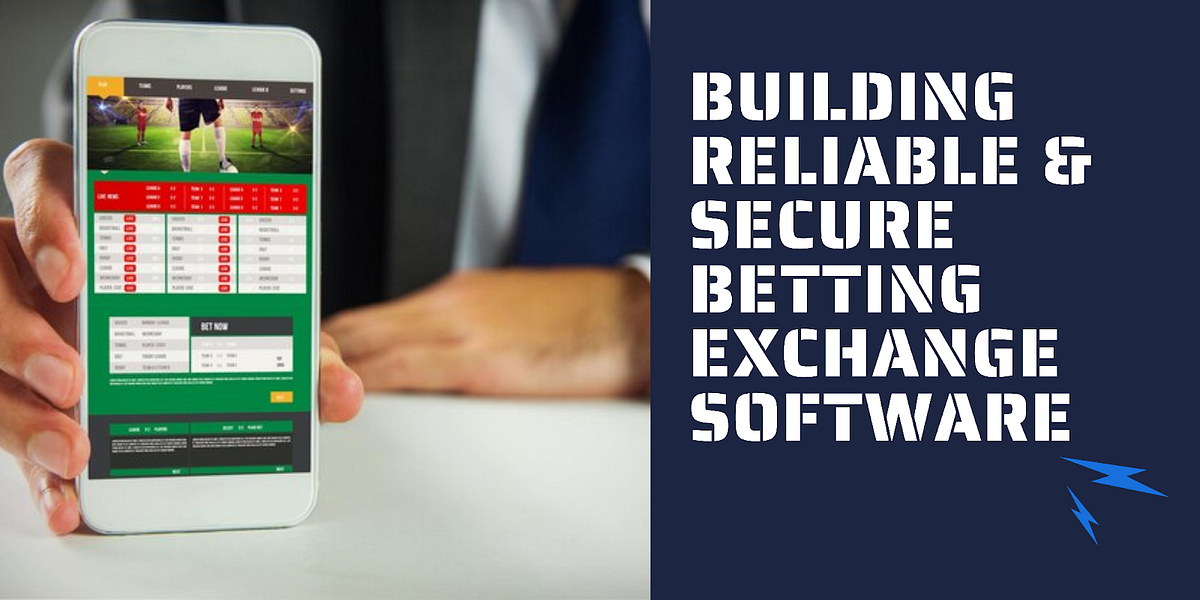
A market page is a table. On the left sit the back prices in a blue column, on the right the lay prices in pink, and in the middle a thin strip of liquidity numbers showing how much money waits at each price. Nothing about that layout requires prior knowledge; it requires only patience to read the numbers before clicking. Most beginners spend their first session simply watching the table move.
How a Betting Exchange Matches Back and Lay Orders
Every bet on an exchange has two sides. When you back, you are saying the outcome will happen and you are taking the role of a traditional punter. When you lay, you are saying the outcome will not happen — you become the bookmaker for that single market, accepting someone else's stake in exchange for their risk. The platform holds both sides in escrow and settles them automatically when the event finishes.
The mechanic that surprises newcomers is that lay liability is not the same as stake. If you lay a runner at 4.0 for a £10 stake, your potential profit is £10 and your potential loss is £30. That asymmetry is why betting exchanges reward careful position sizing far more than confident opinions. Trade in small amounts for a few weeks and the arithmetic becomes instinctive.
Reading liquidity before you click
Liquidity is the amount of money already waiting at a price. A market with £200 at the top back price will absorb a small order without moving the odds; a market with £4 will not. New users should filter for markets showing at least three figures of matched volume, then place orders smaller than the visible money. This single habit removes most of the frustration attached to partial matches and drifting prices.
Key Points New Users Should Know Before Their First Trade
-
Start with a stake you would not miss
Your first ten markets are tuition, not income. A small, repeatable stake keeps your attention on mechanics — matching, settling, commission — instead of on the result.
-
Learn one market type before expanding
Match Odds on a single sport is the cleanest classroom. Add Correct Score, handicaps or outright markets only once the basic order flow feels boring.
-
Understand the two ways to close a position
You can let a bet run to settlement, or you can trade out before the event ends by placing the opposite order. The second option is where exchange flexibility really shows.
-
Check commission and country rules early
Commission is charged on net market winnings and the exact rate depends on your account history and jurisdiction. Confirm this in your account settings before sizing up.
-
Keep a plain written log
A single spreadsheet column for stake, price, and outcome will teach you more in a month than any tipster thread. Patterns appear fast when they are written down.
Deep Dive: Exchange Liquidity, Prices and Commission
Prices on an exchange are not opinions published by a company; they are the last trades matched between real participants. That makes the order book self-correcting: when news breaks, back money floods in, lay prices shorten, and the market reprices within seconds. For a newcomer this is liberating, because there is no need to guess whether a quoted price is "fair" — you can simply inspect the money sitting behind it.
Commission deserves a second look because it shapes strategy. Because the charge applies to net winnings, frequent small trades in the same market net against each other before commission is calculated. That is why exchange veterans often prefer a small number of well-timed positions over dozens of tiny flips. Beginners should treat commission as a cost of doing business and factor it into expected value from the very first trade.
On an exchange you are not betting against a company with a marketing budget. You are trading against another person's opinion — and that is exactly why the door is open to anyone.
Markets Desk commentary, 2026Turning small trades into a repeatable routine
The most reliable beginner routine is dull by design: pick two markets, read the order book, place one small order, record it, and stop for the day. Over a fortnight you will have handled twenty markets, understood settlement, and felt the emotional pull of a live price — all without meaningful exposure. Skill on an exchange compounds the same way a bank balance does: quietly and from a small base.
Common Beginner Mistakes on a Betting Exchange
The first mistake is confusing a lay with a free bet. A lay is a liability, and treating it like a windfall is how small accounts disappear. The second is chasing a moving price — clicking repeatedly as odds drift, which usually fills you at the worst available number. The third is ignoring the market you understand best in favour of the market with the loudest headline; a quiet tennis match you follow closely will teach you more than a chaotic derby you do not.
There is also a subtler error: treating the exchange like a prediction game. Its real advantage is flexibility, not clairvoyance. Being able to trade out of a position, or to lay an outcome you consider overpriced, matters more than being right about the final score. Users who internalise this early tend to last; users who treat every trade as a verdict on their judgement tend to leave within a month.
When to walk away from a market
If liquidity thins to double digits, if the event has already produced a decisive swing, or if you cannot explain in one sentence why you are placing the order — close the tab. Discipline is the cheapest edge available on any Betfair betting exchange.
Betting Exchange FAQ for First-Time Users
- Do I need a large bankroll to start on an exchange?
- No. The minimum order sizes are small, and you can trade for weeks with a modest balance while you learn order flow and settlement.
- Is laying the same as betting against a team?
- Functionally, yes, but the framing matters. Laying means you accept the risk that the outcome will happen; your liability is the stake multiplied by the odds minus one.
- How is commission calculated?
- It is charged on net winnings within a market rather than on each individual stake, so losing markets on the same event reduce the base before the fee is applied.
- Can I close a position before the event ends?
- Yes. Placing the opposite order at the current price locks in the difference, which is the core flexibility an exchange offers over a fixed-odds bet.
- What is the best first market for a newcomer?
- A liquid Match Odds market in a sport you already follow. Familiarity with the teams reduces noise while you learn the interface.